1. Introduction
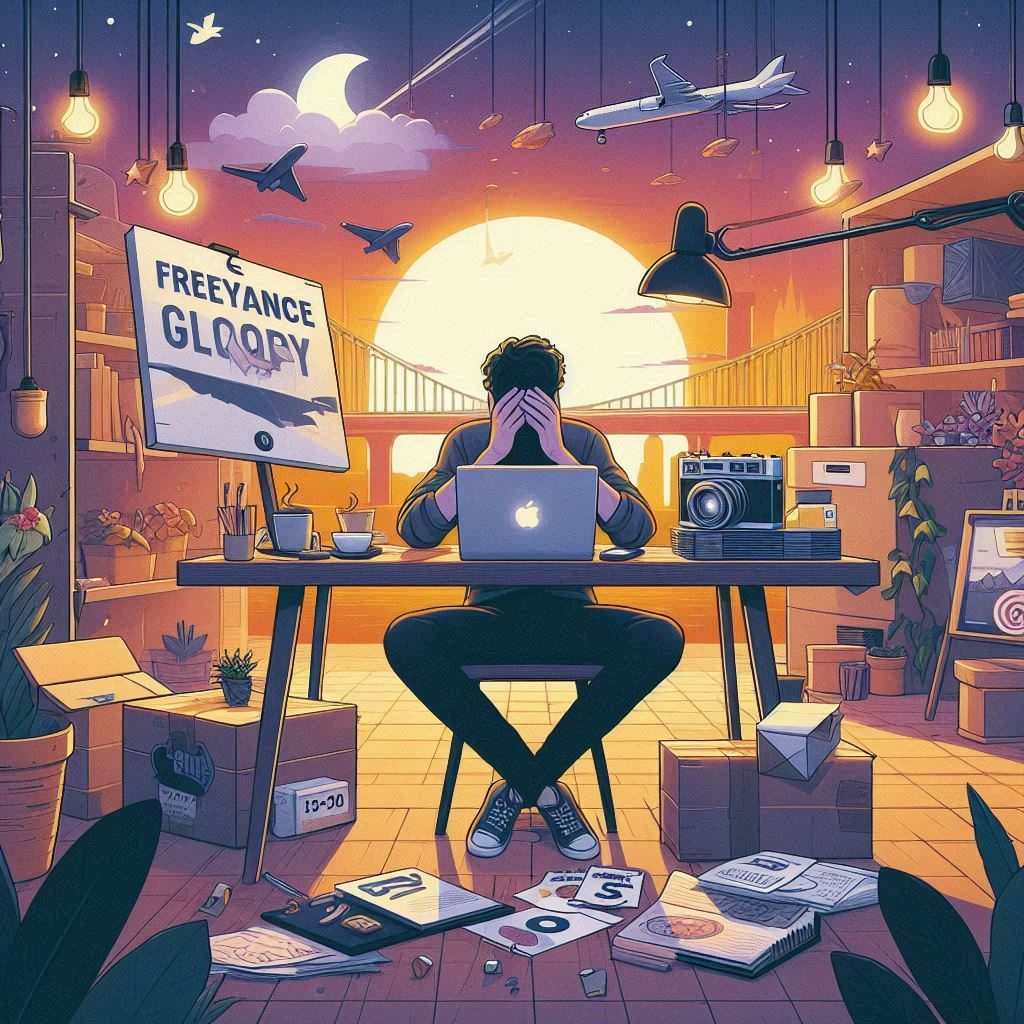
Freelancing is often seen as the dream career—flexible schedules, unlimited income potential, and the freedom to work from anywhere. However, behind the scenes, many freelancers struggle with burnout, stress, and exhaustion. Unlike traditional employees, freelancers don’t have paid vacations, fixed work hours, or structured support systems.
As a result, freelance burnout is becoming increasingly common, with many professionals feeling drained, overworked, and uninspired. Without the right balance, what starts as an exciting career path can quickly turn into a cycle of stress and fatigue.
So, how can freelancers stay energized while managing their workloads? This article explores practical strategies to prevent burnout, maintain work-life balance, and enjoy a long and sustainable freelance career.
2. Understanding Freelance Burnout
Burnout is more than just feeling tired—it’s a state of chronic physical and mental exhaustion caused by prolonged stress. For freelancers, this can stem from irregular income, demanding clients, and long hours.
Signs of Freelance Fatigue:
- Constant exhaustion, even after resting
- Feeling overwhelmed by projects
- Loss of motivation and creativity
- Increased anxiety or irritability
- Difficulty concentrating or making decisions
Ignoring these signs can lead to reduced productivity, health issues, and even quitting freelancing altogether. Recognizing burnout early is key to preventing long-term damage.
3. Why Freelancers Experience More Burnout Than Employees
Freelancing comes with a unique set of challenges that can contribute to higher levels of stress and fatigue:
- Unstable Income: The pressure to constantly find new clients and projects can be overwhelming.
- Multiple Responsibilities: Freelancers handle everything—from marketing to accounting—leading to work overload.
- No Clear Work-Life Separation: Many freelancers work from home, making it hard to “switch off” from work.
Understanding these challenges is the first step toward creating a healthier freelance lifestyle.
4. The Importance of Work-Life Balance in Freelancing
A well-balanced freelance career isn’t just about avoiding stress—it’s about long-term success. Maintaining balance helps:
- Improve focus and productivity
- Enhance creativity and motivation
- Reduce stress and mental fatigue
- Increase job satisfaction and overall happiness
By prioritizing balance over hustle, freelancers can enjoy a fulfilling and sustainable career.
5. Practical Strategies to Avoid Freelance Burnout
Burnout is preventable with the right approach. Here are some actionable strategies:
1. Set Realistic Work Hours
Avoid working late nights and weekends by establishing a fixed schedule that mimics traditional work hours.
2. Learn to Say No
Not every project is worth your time. Focus on high-value clients and decline low-paying, high-stress gigs.
3. Take Breaks and Vacations
Plan regular time off to recharge. Even short breaks throughout the day improve focus and reduce fatigue.
6. Time Management Techniques for Freelancers
Freelancers often juggle multiple projects. Effective time management prevents stress and last-minute deadlines.
- The Pomodoro Technique: Work for 25 minutes, then take a 5-minute break.
- Time Blocking: Allocate specific hours for deep work, meetings, and personal time.
- The Eisenhower Matrix: Prioritize tasks based on urgency and importance.
Using tools like Trello, Asana, or Notion can also help stay organized.
7. The Role of Physical and Mental Health in Preventing Fatigue
A healthy body and mind are essential for long-term success. Freelancers should prioritize:
- Exercise: Even a 30-minute walk boosts energy levels.
- Mindfulness & Stress Management: Meditation or deep breathing exercises can help maintain mental clarity.
- Healthy Eating: Avoid excessive caffeine and processed foods that lead to energy crashes.
8. Creating a Healthy Workspace for Productivity
Your work environment directly affects energy levels. A cluttered or uncomfortable space can increase stress.
Tips for an Ideal Home Office:
✔ Invest in an ergonomic chair and desk
✔ Use natural light for better focus
✔ Keep your workspace clean and organized
A dedicated workspace can make a huge difference in productivity and well-being.
9. How to Set Boundaries with Clients and Workload
Freelancers must set clear expectations to maintain balance.
- Define your availability and don’t answer emails outside work hours.
- Use contracts to clarify deadlines and workload.
- Outsource tasks if possible—hiring a virtual assistant can reduce stress.
10. The Power of Passive Income for Reducing Stress
Relying solely on client-based work can be stressful. Passive income can provide financial stability.
Examples of Passive Income for Freelancers:
- Selling digital products (eBooks, templates)
- Creating an online course
- Affiliate marketing
Having an extra income stream reduces financial pressure and allows for a more relaxed work schedule.
11. The Importance of a Support System for Freelancers
Freelancing can feel lonely, making a strong support system essential.
- Join freelancer communities or coworking spaces.
- Seek mentorship from experienced professionals.
- Talk to friends and family about work stress.
Having people to share struggles and successes with makes freelancing more enjoyable.
12. Conclusion
Freelancing doesn’t have to lead to burnout. By setting boundaries, managing time effectively, prioritizing health, and creating passive income, freelancers can maintain a sustainable and fulfilling career.
Balance isn’t a luxury—it’s a necessity. By taking proactive steps today, freelancers can build a career that’s both successful and enjoyable.